Entry · Ref BYHN0AUJ
How a Pizza Restaurant Delivers Flavor in Every Slice
- Posted
- 2026-10-30
- Last amended
- 2026-10-30
- Account
- @donovangnfq445
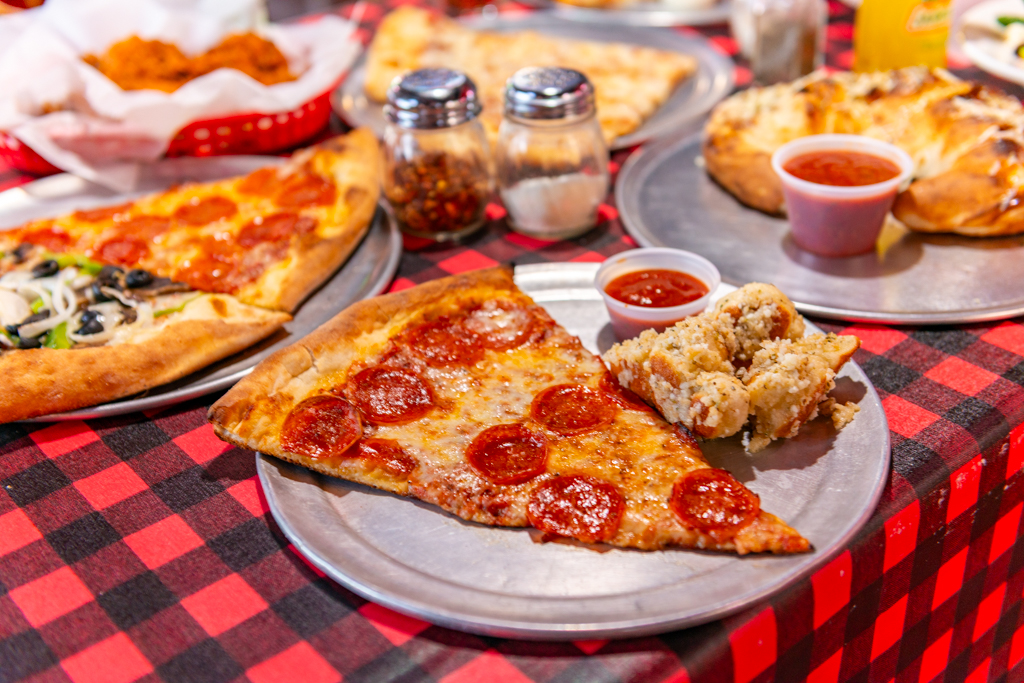
Walk into a well-run pizza restaurant at the right moment, and you can tell almost everything before the first bite. The air carries toasted flour, sweet tomato, browning cheese, and that faint mineral note of hot stone or steel. Dough rounds rest under cloth, slightly domed and alive. Someone reaches into https://landenwtol198.yousher.com/how-a-pizza-restaurant-combines-speed-with-freshness the oven with a practiced turn of the wrist. A pie lands on the counter, settles for a few seconds, and gets cut while the crust is still singing from the heat.
That final slice looks simple. It never is.
Flavor in pizza is not a single choice or one secret ingredient. It is a chain of decisions, each one small enough to miss, but powerful enough to change the whole experience. The taste of a slice comes from fermentation, flour quality, sauce balance, oven management, cheese behavior, topping moisture, timing, and the discipline to repeat good work all night long. The best pizza restaurants understand that flavor is built long before the pizza reaches the box or plate.
Anyone who has spent time around a busy pizza line knows the job is part craft, part logistics, part restraint. It is tempting to focus on flashy toppings or oversized portions because those are easy to market. What customers actually remember, though, is whether the slice had character. Was the crust crisp but still tender inside? Did the sauce brighten the cheese or drown it? Did every bite taste balanced, or did one element bully the others? Those questions decide whether a guest comes back next week or forgets the meal by tomorrow.
Flavor starts with dough, not toppings
Dough is where most of the flavor work happens, even though it can look plain to the untrained eye. Good dough is not just a vehicle for sauce and cheese. It is the foundation, and if the foundation is weak, no topping can save the slice.
A lot depends on fermentation. Freshly mixed dough can make acceptable pizza, but it rarely makes memorable pizza. Time allows yeast and enzymes to break down starches and proteins, developing aroma and depth that a rushed dough simply does not have. In practical terms, a dough fermented for 24 to 72 hours usually gives a fuller, more nuanced crust than dough mixed and used the same day. The exact window depends on hydration, yeast percentage, room temperature, refrigeration, and the style the restaurant serves.
That time changes texture as well as taste. Fermented dough opens more gracefully in the oven. It blisters better. It browns more evenly. It produces a crust with subtle sweetness and a faint tang that make even the heel of the slice worth finishing.
Flour matters too, but not in the simplistic way people sometimes frame it. There is no universal “best flour” for every pizza restaurant. High-protein flour can provide strength and chew, which works beautifully for certain New York style pies. Softer flours can create a lighter, more delicate structure, especially in hotter ovens and shorter bakes. The right choice depends on what the restaurant wants the finished slice to feel like. A skilled operator does not buy flour based on trend. They buy based on behavior.
Water, salt, and oil also play their part. Salt sharpens flavor and tightens gluten. Water temperature affects dough development and fermentation speed. Oil can soften the crumb and influence browning, though some styles use none at all. Tiny shifts in formula can produce very different results, which is why experienced pizza makers treat dough recipes less like rigid commandments and more like living systems. If the kitchen is warmer than usual, if the flour is absorbing differently in winter, if the dough is proofing too quickly on a holiday rush, they adjust.
That judgment is where craftsmanship begins.
Sauce has to support, not shout
Tomato sauce seems straightforward until you taste the difference between a balanced pie and a sloppy one. At a strong pizza restaurant, the sauce is built to complement the crust and cheese, not dominate them.
There are several ways to approach sauce. Some places use uncooked crushed tomatoes with salt and perhaps a touch of olive oil or oregano. Others simmer sauce briefly to mellow acidity and concentrate sweetness. Neither method is automatically superior. The key question is what the oven, dough, and overall style require.
A bright, lightly seasoned sauce often works well on a pizza with a long-fermented crust and milky mozzarella because it brings freshness without burying the base. A cooked sauce can suit thicker pies or slices that need a deeper, more savory profile. Problems usually begin when sauce is overworked. Too much garlic can turn harsh in combination with high heat. Too much sugar flattens tomato character. Heavy herb blends make every slice taste the same, regardless of the rest of the build.
Portioning matters just as much as recipe. A few extra ounces of sauce may sound trivial, but they can tip the center into soup, prevent proper bake, and throw off the crust-to-topping ratio. Guests often describe that pizza as “heavy” without knowing the technical reason. What they are feeling is imbalance.
Good sauce does one thing especially well. It keeps the slice lively. Rich dough and melted cheese need acidity to stay appetizing through the last bite. Without that lift, even high-quality ingredients can taste dull.
Cheese is a technical ingredient
People talk about cheese as if it were just a topping. In reality, it is one of the most technical ingredients in a pizza restaurant. Cheese affects moisture, salt level, browning, stretch, mouthfeel, and how the pizza tastes as it cools.
Mozzarella is the standard bearer, but even within mozzarella there is a wide range of performance. Whole milk mozzarella brings richness and a softer melt. Part-skim can brown differently and often offers better structure in some formats. Fresh mozzarella gives beautiful pockets of dairy sweetness, but it also carries more moisture, which can create trouble if not drained or paired thoughtfully. Low-moisture mozzarella is a workhorse for many shops because it melts consistently and handles volume service well.
Blending cheeses is common for a reason. A single cheese can be one-dimensional. A thoughtful blend might combine the melt of mozzarella, the nuttiness of provolone, and the finishing sharpness of parmesan or pecorino. The goal is not novelty. The goal is range. You want richness, elasticity, salt, and aroma working together.
Temperature control matters here more than customers realize. Cheese straight from a cold walk-in behaves differently from cheese tempered during service. Cut size matters. Distribution matters. If one area receives dense clumps while another stays sparse, the pie will bake unevenly and the flavor will swing from bland to greasy in the same slice.
There is also the question of restraint. More cheese does not automatically mean better pizza. In fact, excessive cheese often mutes flavor. It insulates the surface, traps moisture, and turns the slice into a molten blanket with little contrast. A memorable pizza needs variation: crisp edge, soft crumb, bright sauce, creamy cheese, perhaps a charred bubble or two. When everything is buried under an extra layer, nuance disappears.
Heat is an ingredient, not just a setting
Ovens do not merely cook pizza. They shape its identity.
A deck oven, a wood-fired oven, a gas-fired stone oven, and a conveyor each create different outcomes. That does not mean one format is honest and another is inferior. It means each demands different skills. A well-run pizza restaurant learns how to extract flavor from its equipment instead of apologizing for it.
High heat can produce leopard spotting, rapid oven spring, and a tender interior with a lightly charred exterior. More moderate heat can build a firmer base, deeper melt, and a steadier bake that suits slice service. The critical point is control. Hotter is not always better. Some toppings scorch before the dough sets. Some cheeses split under excessive heat. Some crust formulas need a longer bake to dry properly and develop structure.
An experienced pizza maker reads the oven continuously. They watch the underside, the rim, the cheese color, and the way steam is escaping. They rotate at the right moment, not by habit alone. During a rush, this becomes even more important. As the oven cycles and doors open more frequently, heat patterns shift. Pizzas placed in the same spot ten minutes apart may need different handling.
This is one reason consistency is hard to achieve. Customers see a menu item. The kitchen sees a moving target. Delivering the same flavor at lunch, at Friday dinner, and fifteen minutes before close requires attention that most guests never witness.
Toppings can elevate or sabotage a pie
Toppings get the spotlight because they are visible, but they are often the easiest place to lose balance. Every topping introduces its own moisture, fat, salt, and cooking behavior. If the kitchen ignores those variables, flavor suffers quickly.
Take mushrooms. Properly handled, they add earthiness and savoriness. Applied raw and too thick, they dump water into the cheese and soften the crust. Sausage can be deeply seasoned and satisfying, but if it is too fatty or too coarse, grease pools and masks the sauce. Pepperoni brings spice and smoke, yet there is a difference between enough cups of crisped pepperoni to punctuate the slice and so much that the pie tastes like rendered oil.
Vegetables require especially careful judgment. Onions sweeten beautifully in the oven, but sliced too thick they can stay sharp and underdone. Bell peppers can brighten a pizza, though too many can overpower a delicate cheese blend. Leafy greens wilt quickly and can turn muddy if buried under hotter ingredients.
One of the best habits in a serious pizza restaurant is pre-treatment where needed. Roasting, draining, parcooking, or seasoning certain toppings before they ever reach the make line helps keep the final slice clean and balanced. That extra prep work is easy to cut when labor is tight. It is also one of the first differences a guest notices, even if they cannot name it.
The quiet power of proportion
A great slice usually feels effortless. Under the hood, it is built on proportion.
The ratio of dough to sauce, sauce to cheese, cheese to toppings, and center to rim is what determines whether each bite feels coherent. Most disappointing pizzas fail here. They are not made from terrible ingredients. They are assembled without discipline.
A pizza restaurant that delivers flavor consistently tends to have clear standards for every size and style. Staff know roughly how much dough each pie gets, how much sauce belongs on a 12-inch versus an 18-inch, how much cheese creates coverage without suffocation, and when a topping combination needs adjustment because two wet ingredients on the same pizza can push it past the limit.
This matters for customer experience in ways that extend beyond taste. Good proportion affects slice stability. If a tip droops immediately and the cheese slides away, the eater is fighting the pizza rather than enjoying it. If the crust is all rim and no center, the pie can look rustic but eat dry. If the middle is overloaded while the outer ring stays bare, every slice tells a different story.
Consistency in proportion is not about making food feel industrial. It is about giving guests confidence. When people find a pizza restaurant they trust, part of what they are responding to is predictability. They know the margherita or house special will taste like the version they loved last time. That reliability is a major part of flavor, because expectation shapes enjoyment.
Delivery and dine-in are almost different products
One of the hardest truths in pizza is that the perfect dine-in pie is not always the perfect delivery pie. A slice eaten 45 seconds after it leaves the oven behaves differently from one trapped in a box for 20 minutes.
Steam is the culprit. Once a hot pizza enters a closed box, moisture begins softening the crust. Thin pizzas can lose crispness quickly. Delicate toppings continue to cook from residual heat. Fresh herbs blacken. Fresh mozzarella releases more moisture. By the time the pizza reaches a customer, the balance the kitchen worked to create may have shifted.
Smart operators account for this. They may bake a delivery pie slightly longer, choose sturdier cheese blends for transport, cut venting in boxes, or hold finishing ingredients until the last possible second. Some styles travel especially well, while others shine only when eaten in the restaurant. A professional kitchen respects that distinction instead of pretending every pizza is equally suited to every format.
This is also where honesty matters. If a restaurant knows a certain specialty pie is spectacular in-house but inconsistent after a 25-minute drive, the best move may be to guide customers accordingly. Protecting flavor sometimes means steering people toward options that hold up better.
The line cooks and pizza makers carry the whole promise
Menus make claims. Staff fulfill them.
A pizza restaurant can have excellent ingredients and still serve mediocre slices if the line is poorly trained. Repetition, hand feel, and situational awareness are what turn a recipe into a dependable product. Stretching dough without degassing it too harshly, distributing toppings so the pie bakes evenly, recognizing when dough is over-proofed, adjusting for weather, reading oven hot spots, and pacing orders during a rush, these are learned skills.
There is usually a visible difference between a shop staffed by pizza makers and one staffed by people merely assembling food. The former moves with economy. They flour sparingly. They do not panic when the screen fills with tickets. They know when a pie needs another 20 seconds and when another 20 seconds would kill it. They can spot a dough problem before it reaches the oven.
That sort of competence does not happen by accident. It comes from systems and mentorship. The strongest restaurants teach standards, then reinforce them constantly. They also create enough structure that busy service does not devolve into improvisation. Flavor can survive a rush only if the operation is built for pressure.
Freshness is more than same-day ingredients
Customers often use the word fresh as shorthand for quality, but in a pizza restaurant, freshness is more complex than whether something arrived that morning.
Fresh basil is wonderful, unless it was chopped too early and bruised into black ribbons. Fresh mozzarella is appealing, unless it releases enough water to swamp the center. Fresh dough can sound virtuous, unless it has not fermented long enough to taste like much of anything. Even tomatoes can be mishandled if they are stored too cold and lose their character.
What matters is ingredient vitality and proper timing. Does the basil go on after the bake when needed? Are mushrooms sliced close enough to service to avoid drying out? Is cured meat stored so it stays supple rather than greasy? Has the dough matured to the point where flavor and structure align?
This is where experience beats slogans. A mature pizza operation learns which ingredients should be showcased in their pure state and which need intervention. Freshness is not a marketing adjective. It is a practical standard that depends on context.
Guests taste care, even if they cannot name it
Most diners will never ask about fermentation percentages or cheese moisture content. They do not need to. They can feel the results immediately.
They notice when the first bite has crunch, tenderness, salt, acid, and aroma all working together. They notice when the toppings taste distinct rather than muddled. They notice when the second slice is as satisfying as the first, which is harder to achieve than many operators admit. They notice when the box opens and the pizza still looks composed instead of collapsed.
Often, they register care through small details. The evenness of the bake. The clean cut through the slice. The way the crust edge has flavor on its own rather than acting as edible packaging. The absence of puddled grease. The fact that the pie tastes seasoned, but not aggressive.
If a pizza restaurant wins loyal regulars, this is usually why. People return to places that make them feel looked after. Flavor is not just chemistry. It is a form of hospitality. It says someone paid attention.
What separates a good slice from a memorable one
There are many competent pizzas in the market. Memorable pizzas are rarer.
The difference often comes down to whether the restaurant understands flavor as a layered experience rather than a loud one. A memorable slice has depth. The crust contributes toast, wheat, and fermentation notes. The sauce gives brightness and fruit. The cheese adds richness and salt without turning everything heavy. Toppings, when used, sharpen the identity of the pie instead of turning it into a pile.
There is also a rhythm to a great slice. The first impression might be crispness, followed by cheese and tomato, then the chew of the crumb, then perhaps a touch of smoke or oregano or pepper at the finish. The bite evolves. That evolution keeps the eater interested.
Restaurants that chase only abundance often miss this. Bigger pies, more toppings, stuffed edges, extreme cheese pulls, these can sell on sight. They do not always hold up on the palate. Real flavor asks for selectivity. Sometimes the smartest move is leaving one ingredient off.
A classic margherita is a good example. On paper, it is almost too simple to impress. In practice, it reveals everything. If the dough lacks character, you know immediately. If the tomatoes are flat, there is nowhere to hide. If the mozzarella floods the center, the pie collapses. When done well, though, that simplicity becomes proof of mastery.
Why every slice reflects the whole operation
A single slice is the final expression of purchasing, prep, training, equipment, timing, and judgment. It reflects whether the restaurant buys flour that suits its style, whether it gives dough enough time, whether sauce is seasoned with a light hand, whether cheese is portioned intelligently, whether toppings are prepped with respect, and whether the oven is run by people who understand heat rather than fear it.
That is why great pizza rarely happens by accident. There can be happy surprises, of course, a particularly lively dough batch, an oven running beautifully on a cool evening, a topping combination that lands better than expected. But dependable flavor comes from design and repetition.
For the guest, all of that work condenses into a very simple test. They take a bite. If the pizza restaurant has done its job, the slice feels complete. Not overloaded, not under-seasoned, not one note. Complete. The crust has structure and soul. The sauce wakes up the palate. The cheese rounds everything out. The toppings, if present, belong there.
That is how flavor reaches every slice, not through one dramatic flourish, but through dozens of disciplined choices made well, over and over, until excellence becomes the house standard.